
Acanathstrea, Coral Care, Filtration, LPS Corals, Nutrition
Caring for Acanthastrea Corals: A Comprehensive Guide
Introduction
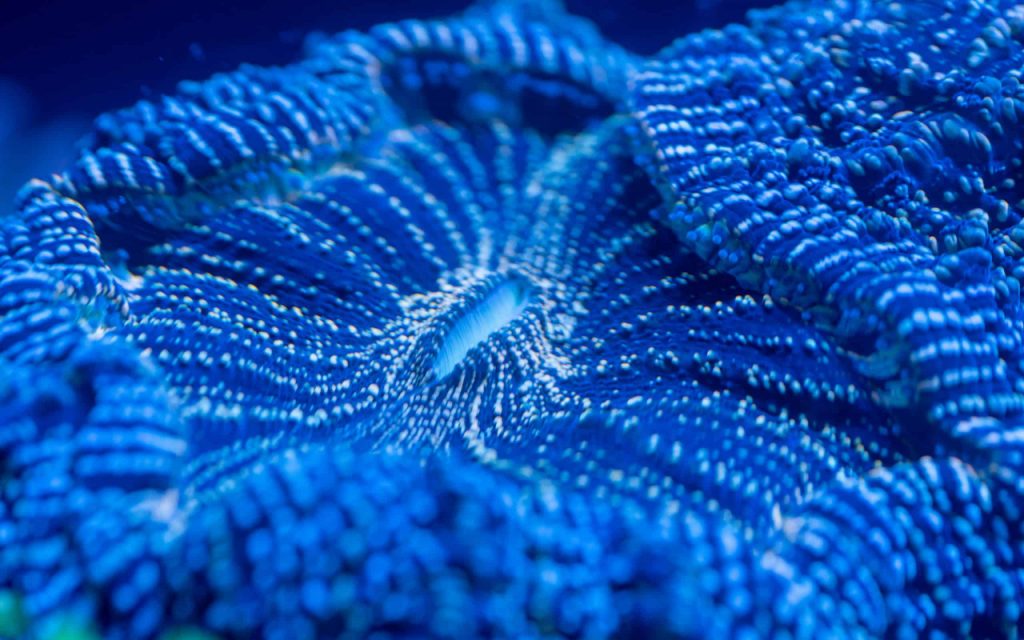
Acanthastrea corals, commonly known as Acan corals, are a popular choice among reef tank enthusiasts due to their vibrant colors and unique patterns. These LPS (Large Polyp Stony) corals are not only beautiful but also relatively easy to care for, making them suitable for both beginners and experienced aquarists. This guide will provide you with essential tips and best practices for maintaining healthy and thriving Acanthastrea corals in your reef tank.
Understanding Acanthastrea Corals
Species Overview
Acanthastrea corals belong to the family Lobophylliidae and are native to the Indo-Pacific region. They come in a variety of colors, including red, orange, green, blue, and purple, often with striking patterns. The polyps of Acan corals are large and fleshy, giving them a distinctive appearance.
Natural Habitat
In the wild, Acanthastrea corals are found in shallow reef environments where they receive moderate light and gentle water flow. Mimicking these conditions in your aquarium is key to their success.
Setting Up Your Tank
Lighting Requirements
Acanthastrea corals thrive under moderate lighting. LED lights with adjustable intensity are ideal, allowing you to fine-tune the lighting to meet their needs. Avoid placing them directly under intense light, as this can cause bleaching and stress.
Water Flow
Gentle to moderate water flow is best for Acan corals. They prefer indirect currents that mimic their natural habitat. Position your powerheads or wavemakers accordingly to ensure a gentle movement of water around the corals.
Water Parameters
Maintaining stable water parameters is crucial for the health of Acanthastrea corals. Aim for the following ranges:
- Temperature: 75-80°F (24-27°C)
- Salinity: 1.025-1.026
- pH: 8.1-8.4
- Alkalinity: 8-12 dKH
- Calcium: 400-450 ppm
- Magnesium: 1250-1350 ppm
Regular testing and adjustments are necessary to keep these parameters within the desired range.
Feeding Your Acanthastrea Corals
Diet and Nutrition
Acan corals are photosynthetic and derive much of their energy from the zooxanthellae algae living within their tissues. However, supplemental feeding can enhance their growth and coloration. Feed your Acan corals with small meaty foods such as mysis shrimp, brine shrimp, and finely chopped seafood. Use a turkey baster or a coral feeding pipette to target feed them once or twice a week.
Choosing the Right Food
Select high-quality frozen or live foods designed for LPS corals. Avoid overfeeding, as excess food can deteriorate water quality and promote the growth of nuisance algae.
Placement in the Tank
Finding the Perfect Spot
Acanthastrea corals should be placed in areas with moderate light and gentle flow. Avoid positioning them directly under strong lights or in areas with high water flow, as this can cause tissue damage.
Compatibility with Other Corals
Acan corals are generally peaceful but can extend their sweeper tentacles to defend their territory. Ensure adequate space between them and other corals to prevent aggressive interactions.
Monitoring and Maintenance
Regular Observations
Keep a close eye on your Acanthastrea corals for any signs of stress, such as tissue recession, bleaching, or changes in color. Early detection of problems allows for prompt intervention.
Water Quality Management
Perform regular water changes and maintain proper filtration to keep water quality high. Use a protein skimmer to remove organic waste and consider adding activated carbon to reduce toxins.
Dealing with Pests and Diseases
Common Issues
Acanthastrea corals can be susceptible to pests such as flatworms, nudibranchs, and bristle worms. Inspect your corals regularly and dip new additions to the tank to prevent infestations.
Treatment Options
If you notice pests or signs of disease, such as tissue necrosis, take immediate action. Use appropriate coral dips and treatments to address the issue and prevent it from spreading.
Caring for Acanthastrea corals can be a rewarding experience, adding vibrant colors and unique patterns to your reef tank. By understanding their natural habitat and providing the right conditions, you can ensure their health and longevity. Regular monitoring, proper feeding, and maintaining stable water parameters are key to thriving Acan corals. With these tips, you’ll be well on your way to creating a beautiful and sustainable underwater paradise.
